Jindaaudio 4-Channel Mixer USB Interface Review: Who It Fits and Who Should Skip It
As an Amazon Associate we earn from qualifying purchases. Links on this page are affiliate links.
This jindaaudio audio mixer 4 channel review looks at a compact unit designed for streaming and live audio. It combines a four-channel mixer with a built-in USB audio interface. The device supports XLR, 1/4" TRS, and RCA inputs for versatile connectivity. It also includes 48V phantom power for condenser microphones. The model features 99 DSP effects for sound shaping. We examine how these specifications fit into your workflow. The unit weighs 12.9 pounds and measures 1.4 inches in height. This guide explains who will benefit from these technical details.
What stands out
- 48V phantom power for condenser microphones
- 99 DSP effects including reverb and delay
- USB audio interface for computer connection
- XLR, 1/4" TRS, and RCA inputs
Who it fits
Good fit for
You should consider this mixer if you need a single unit for streaming or podcasting that supports condenser microphones. The 48V phantom power eliminates the need for external preamps. The USB interface allows direct connection to your computer for recording. If you value creative control, the 99 DSP effects let you adjust sound on the fly. The compact size makes it suitable for mobile setups or small studios where space is limited. It handles multiple audio sources with ease.
Who should skip it
Skip this option if you require a dedicated DJ controller with specialized performance pads or jog wheels. This unit is a mixer and sound card, not a full DJ setup. It lacks the tactile feedback and software integration typical of dedicated DJ gear. If you need extensive channel routing or complex EQ options beyond standard controls, this may feel limiting. Users seeking high-power amplification for large venues should note the 2x300w spec applies to specific models, so verify your exact variant. It is not a substitute for professional DJ hardware.
Verdict: This mixer suits streamers and podcasters needing phantom power and USB connectivity. It is not a dedicated DJ controller.
Key specs explained for this unit
4-Channel
You can connect four separate audio sources to this mixer simultaneously. This setup allows you to blend microphones, instruments, or playback devices into a single output. For DJ controllers, this means you have more flexibility to layer inputs compared to standard two-channel setups. It suits users who need to manage multiple streams without extra hardware.
USB Audio Interface
This feature lets the mixer send and receive audio directly to your computer via USB. You can use it as a sound card for streaming or recording software. This removes the need for a separate audio interface. For DJ controllers, it simplifies your signal chain by handling digital audio conversion within the mixer itself.
99 DSP Effects
The unit includes ninety-nine digital signal processing effects, such as reverb or delay. You can apply these to your audio sources to enhance live performances or recordings. This provides creative control over your sound profile. When comparing DJ controllers, note that many rely on software effects, whereas this hardware offers built-in processing options.
48V Phantom Power
This spec indicates the mixer supplies forty-eight volts of power through the XLR inputs. It allows you to use professional condenser microphones directly without an external power source. This is essential for clear vocal recording or live streaming. Most basic DJ controllers lack this feature, making this mixer more suitable for vocal-heavy setups.
Build, Size, and Layout
The listing describes this unit as having a robust construction. This suggests it is built to withstand frequent handling and transport. The design is compact, which aids in portability. You can carry it to different venues or studio setups without significant hassle. The physical dimensions include a height of 1.4 inches for one variation, while another is listed at 0.39 inches. These differences indicate that specific models may vary in form factor. You should check the exact variant you are considering to ensure it fits your case or rack space.
Weight is listed at 12.9 pounds. This mass provides stability during use, reducing the chance of tipping during live sessions. The layout features intuitive controls for ease of operation. You have individual gain, EQ, and fader controls for each of the four channels. This setup allows for quick adjustments even if you are new to mixing. The interface is designed for straightforward operation, meaning you spend less time navigating menus and more time managing your audio.
According to the listing, the finish and materials are chosen for durability. This supports its intended use in streaming and live performances. The portable design means you can take it anywhere you need to go. You do not need to worry about delicate components breaking during travel. The build quality aligns with the need for a reliable tool in dynamic environments.
Setup And Everyday Use
Setup begins with connecting your audio sources to the available inputs. You can plug microphones or instruments into the XLR and 1/4" TRS jacks, or use RCA connections for line-level signals. The unit also serves as a USB audio interface, allowing direct connection to your computer for streaming or recording. This eliminates the need for an external sound card in many cases.
The mixer features a straightforward control layout. Each of the four channels has its own gain, equalization, and fader controls. This individual channel management lets you balance levels precisely. You do not need to navigate complex menus to adjust basic settings. The intuitive design supports quick adjustments during live sets or recording sessions.
For daily use, the built-in 48V phantom power is a key feature. It allows you to connect condenser microphones directly without external preamps. This simplifies your gear list for podcasting or live vocal performances. The unit also includes 99 DSP effects. You can apply reverb, delay, or chorus to enhance your audio. These effects are accessible through the mixer’s controls, giving you creative flexibility without additional plugins.
The device weighs 12.9 pounds and measures 1.4 inches in height. This compact form factor makes it easy to transport. You can set it up on a table or in a small studio space without it taking over your workspace. The robust construction suggests it can handle frequent movement and setup changes. This makes it suitable for DJs who move between venues or streamers who need a reliable, all-in-one solution for their audio chain.
Before You Buy This Mixer
You should verify your computer’s USB driver compatibility before purchasing. This unit functions as a USB audio interface, so your operating system must recognize it without additional software. Keep cables organized to protect the XLR and RCA inputs from wear. Dust the exterior regularly to maintain the robust finish. This mixer sits alongside other DJ controllers in our 2026 guide. Unlike dedicated turntables or CDJs, it focuses on mixing multiple sources rather than beatmatching. You will need separate turntables or media players to feed it. If you already own a standard DJ controller, this adds analog flexibility. It suits those who blend live vocals with digital tracks. Check your studio space, as the 12.9-pound weight requires a sturdy surface. Ensure your internet connection is stable if you plan to stream directly from this interface.
Check before you buy
- Verify USB driver support for your computer
- Check if you need separate audio sources
- Ensure your desk can hold 12.9 pounds
- Confirm you have XLR and RCA cables
The product at a glance
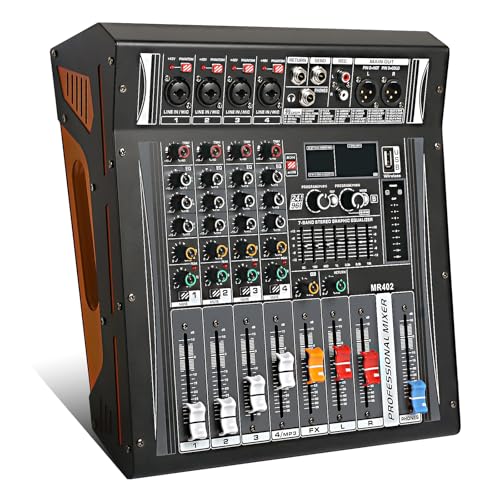
Jindaaudio 4-Channel Mixer with USB Interface
Best for: Streamers needing phantom power and USB
- Channels
- 4 Channel
- Audio Interface
- USB Audio Interface
- Features
- Effects, 48V Phantom Power, Built-in Sound Card
- Intended Use
- Streaming
- Weight
- 12.9 pounds
View on Amazon: Jindaaudio 4-Channel Mixer with USB Interface Affiliate link
This Jindaaudio mixer offers four input channels with XLR, TRS, and RCA connectivity. It includes a built-in 48V phantom power supply for condenser microphones and 99 DSP effects for sound shaping. The unit functions as a USB audio interface, making it suitable for streaming and studio recording. Its compact design allows for easy transport, though it weighs nearly 13 pounds.
Pros
- 4-channel input support with XLR, TRS, and RCA options
- Built-in 48V phantom power for condenser microphones
- 99 DSP effects for creative sound control
- USB audio interface capability for computer connectivity
Cons
- Weight of 12.9 pounds makes it less portable
- No mention of Bluetooth wireless connectivity
- No dedicated display screen for visual feedback
Good fit if
- You need phantom power for condenser microphones
- You want a USB interface for streaming
- You require multiple input types like XLR and RCA
Skip if
- You need wireless Bluetooth connectivity
- You prefer a lightweight unit under 10 pounds
- You require a visual display screen
Verdict: Jindaaudio 4-Channel DJ Mixer suits streamers and podcasters who need phantom power and USB connectivity. It fits users who value multiple input types over wireless features.
Specifications side by side
| Spec | Jindaaudio 4-Channel Mixer with USB Interface |
|---|---|
| Channels | 4 Channel |
| Audio Interface | USB Audio Interface |
| Connectivity | USB Audio Interface, USB |
| Features | Effects, 48V Phantom Power, Built-in Sound Card |
| Intended Use | Streaming |
| Weight | 12.9 pounds |
| Model | 4Ch PA4Ω 2x300w 99DSP MR-402 |
Frequently asked questions
Does this mixer support condenser microphones?
Yes, it includes 48V phantom power. This feature provides the necessary voltage for condenser microphones to operate correctly. You can connect professional studio mics directly to the XLR inputs without needing an external power source. This makes it suitable for podcasting and high-quality vocal recording.
Can I use this as a sound card for my computer?
Yes, it functions as a built-in USB sound card. The device connects directly to your computer via USB for audio interface duties. This allows you to route mixer signals directly into your streaming or recording software. It simplifies your setup by combining mixing and interface functions into one unit.
How many audio sources can I connect at once?
You can connect four separate audio sources simultaneously. The four-channel design allows you to blend multiple inputs like microphones, instruments, or playback devices. This flexibility is useful for live performances or streaming setups where you need to manage several audio feeds at the same time.
Is this mixer suitable for streaming?
Yes, it is specifically designed for streamers. The combination of USB connectivity and phantom power meets the needs of content creators. You can easily integrate it with streaming software to manage audio levels and quality. It fits users who prioritize wired connectivity and multiple input options for their broadcasts.
What types of inputs does this unit have?
It features XLR, 1/4" TRS, and RCA inputs. These options allow you to connect various devices, from professional microphones to line-level sources. The variety ensures compatibility with different audio equipment. You can mix signals from different sources seamlessly using the dedicated channel controls for each input type.
Does it have built-in audio effects?
Yes, it includes built-in DSP effects. These effects allow you to enhance your audio signal directly on the device. You can apply processing to your inputs without relying on external plugins or software. This feature adds versatility for live performances or recording sessions where quick adjustments are needed.
How heavy is the Jindaaudio mixer?
The unit weighs 12.9 pounds. This weight suggests a sturdy build that can withstand regular use and transport. While not ultra-light, the mass may help stabilize the unit during operation. You should consider this weight if you plan to move it frequently between different venues or setups.